Cement Industries VFD Dealer In Gandhidham
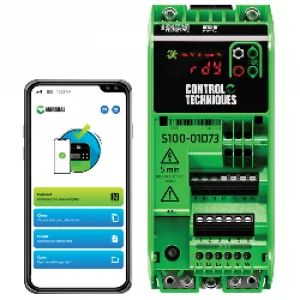
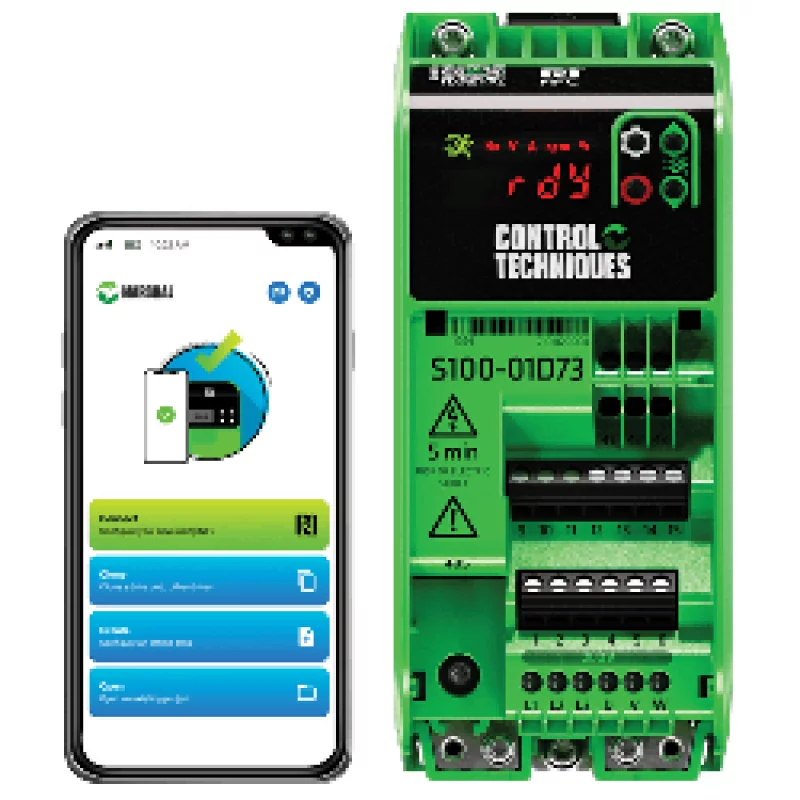
Details of Commander S
Selecting the right VFD dealer in Gandhidham means getting drives that last and save money over time, built for tough factory floors like cement plants.
VFDs help control motor speed and torque with precision. This cuts power use and improves process control. That helps lower costs but also means machines run smoother and last longer, which is key in dusty, heavy-load cement environments.
Safety comes first around VFDs. Electrical shocks or faults can be dangerous. Equipment must meet standards to keep operators safe and avoid fire risks. Proper installation protects cables, reduces overheating chances, and keeps motors running reliably through shifting loads typical in cement milling and conveying.
Key Safety Factors
| Factor | Description |
|---|---|
| Electrical Insulation | Proper insulation prevents leakage currents that risk shocks or damage. |
| Thermal Protection | Overheat sensors stop damage from extended high loads common in cement grinding processes. |
| Grounding | Correct grounding avoids electrical faults during surges or motor starts/stops. |
Cement industry needs robust tech. Our VFDs handle large motors, harsh dust, vibration, and fluctuating demands without failure. They offer adjustable ramp-up times so conveyors start smoothly—no jerks that stress belts or drive shafts.
The system’s modular design eases maintenance downtime since parts swap out fast on site rather than sending equipment back to workshops far away (this is crucial given shipping delays from Gandhidham port). Plus, the drives come ready for integration with PLCs common on plant floors here.
If your line needs better speed control with less wear-and-tear on gearboxes or fans handling kiln exhaust gases, these VFDs fit well. They adjust speeds instantly based on load feedback without lagging behind process changes — important when controlling clinker cooling rates precisely.
Offered Product
